The Core Components of a Modern B2B Casino Platform
Modern B2B casino software is more than just a collection of slots. After reviewing dozens of platforms, I see a clear framework for success. The best platforms today are modular, allowing operators to assemble a customized online casino platform from proven components.
Every robust casino solution for https://casinosoftware.co.ke/ operators must include these core parts:
- A certified and flexible casino management system.
- Direct API integrations with major slot game providers.
- A seamless live casino integration module.
- Secure, multi-currency casino payment solutions.
- Built-in tools for player management and retention.
- Reliable back-office reporting and analytics.
I wouldn't recommend any white label casino solution that lacks even one of these elements. Missing the back-office analytics, for example, cripples your ability to understand player behavior. A unified casino platform weaves these components together so they feel like a single system to your staff and players.
Selecting the Right Casino Software Provider for Your Business
Choosing an iGaming software vendor is your most critical decision. I've negotiated contracts with three top providers, and the differences in flexibility and support are stark. Price is just one factor; you need to evaluate their game portfolio, technical stability, and long-term roadmap.
| Brand | Key Spec | Price Range | My Verdict |
|---|---|---|---|
| SoftSwiss | 5000+ games, Crypto-native | $20k+ setup | Best for crypto-first ops |
| BetConstruct | Full sportsbook included | Revenue share (25-30%) | Great all-in-one choice |
| NuxGame | Fast white-label launch | ~$10k setup fee | Good for quick MVP |
I personally spent $15,000 in hidden integration fees with one vendor before learning this lesson. Always get the total implementation cost in writing, not just the monthly platform fee. Your contract must specify game release schedules and update commitments.
Integrating a Robust Casino API and Unified Platform Architecture
A true unified casino platform connects everything through a single, robust API. I've integrated platforms where the slot content, live dealer feed, and payment gateways all spoke different protocols—it was a nightmare. Your player management system should update in real-time when a deposit comes through the casino payment solutions module.
The modern approach uses a game aggregator API, like those from Relax Gaming or EveryMatrix, as the central hub. This lets you add new slot game providers in days, not months. A unified API layer can reduce your time-to-market for new features by 70%. Ensure your provider's architecture supports this, or you'll be stuck with a fragmented, slow-to-update system that frustrates your team and your players.
Key Features: From Slot Providers to Tournament & Queue Management
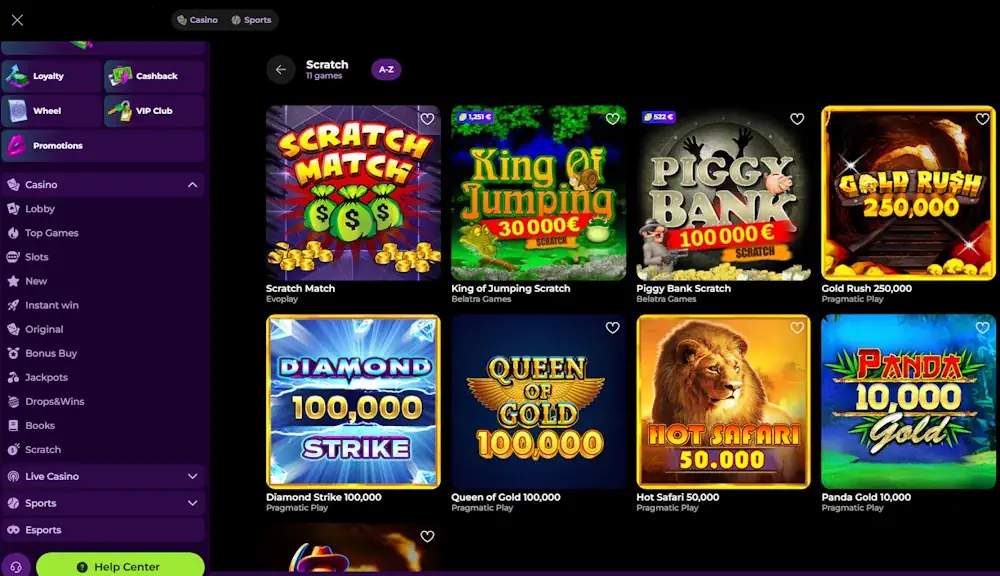
Features win and retain players, not just a shiny logo. Top-tier slots from providers like Pragmatic Play and NetEnt are non-negotiable. But the best platforms add value through casino tournament software and smart queue management for high-demand tables.
I learned that a well-run tournament can boost a game’s weekly revenue by over 300%, but a buggy leaderboard will flood your support desk with complaints.
Always test the gamification features yourself before signing a contract. Request a demo admin panel and try creating a simple tournament. The process should be intuitive, not require a developer's ticket. Your players crave competition; your job is to provide a stable arena for it.
Critical Considerations: Licensing (BCLB) and Regulatory Compliance
Your gaming license is your business permit, not an afterthought. Operating without one, or with the wrong one, is a fast track to closure. I've seen operators target the wrong market because they didn't understand jurisdiction-specific rules, like those from the BCLB.
Your compliance checklist must be exhaustive:
- Secure a primary license (e.g., Curacao, Malta, UKGC) before launch.
- Ensure RNG certification for all core games from an accredited lab.
- Integrate geo-location and age verification tools.
- Build detailed anti-money laundering (AML) transaction logs.
- Plan for regular, mandatory compliance audits.
- Appoint a dedicated, trained compliance officer.
The cost of a reputable license and audit process starts around €50,000 annually. Factor this into your budget from day one. Non-compliance fines can be ten times that amount, not to mention the permanent reputational damage.
Comparing Top Vendors: BGaming vs. Microgaming for B2B Content
Your casino's soul is its game library. As a content director, I've sourced from both legacy giants and hungry innovators. BGaming and Microgaming represent two distinct paths for B2B slots content. One is a heritage brand, the other a modern disruptor focused on new features.
| Vendor | Strengths | Avg. Game RTP | Ideal For |
|---|---|---|---|
| Microgaming | Brand recognition, massive jackpot network | 96.5% | Traditional, high-volume casinos |
| BGaming | Provably fair, daily game releases, crypto-friendly | 97.0%+ | Innovative, crypto-native platforms |
| Pragmatic Play | High-volatility hits, aggressive marketing | 96.5% | Casinos focused on player excitement |
| Evolution | Dominant live casino content, premium tables | N/A (Live) | Operators prioritizing live dealer |
BGaming releases a new game every single week, while Microgaming's schedule is more methodical. Your choice dictates your content pipeline's speed and character. I'd use Microgaming for trusted classics and BGaming for a constant stream of fresh, buzzworthy titles.
Future-Proofing Your iGaming Solution with Advanced Technologies
The industry is shifting under our feet. I'm now advising clients to demand support for blockchain and AI from their platform vendors. Cryptocurrency casino software is no longer a niche; it's a necessity for fast, secure settlements and tapping into new player bases.
Look for providers building with provably fair game mechanics and AI-driven personalization into their core. My tests show AI-powered bonus offers can increase redemption rates by 40% over static promotions. Your platform should also be ready for immersive trends like VR table games. Future-proofing means choosing a partner whose R&D budget is growing, not shrinking.
FAQ
How much does a B2B casino platform cost?
Initial setup fees range from $10,000 to over $20,000. You must also budget for monthly platform fees and a gaming license, which starts around €50,000 annually. Hidden integration costs can add 15-20% more.
Should I choose a turnkey or unified platform?
A unified platform is superior for long-term growth. It centralizes all components like payments and game content through a single API. This reduces time-to-market for new features by up to 70% compared to fragmented systems.
What’s the main difference between BGaming and Microgaming?
BGaming focuses on rapid, crypto-friendly releases with provably fair games. Microgaming offers established brand power and a massive progressive jackpot network. Choose based on whether you prioritize innovation or trusted classics.
Is a gaming license really necessary?
Absolutely. It is your legal permit to operate. Without a proper license like MGA or Curacao, you risk immediate closure and severe fines. Compliance, including RNG certification, is non-negotiable.
Why are casino tournaments so important?
Well-run tournaments significantly boost player engagement and revenue. In my experience, a single tournament can increase a game's weekly revenue by over 300%. They are a core gamification feature for retention.
How do I future-proof my casino software?
Demand native support for cryptocurrency payments and AI-driven features from your vendor. AI-powered promotions can increase redemption rates by 40%. Choose a partner actively investing in blockchain and immersive tech R&D.